
Optical Flats
• Flatness of the reference surface: λ/20 • Excellent for testing and evaluating other optical components Optical flats are used for testing and evaluating other optical elements. An interference pattern is formed in… Read more →
Volume discount
- 5–9 units −5%
- 10+ units −10%
Applied in your cart. Quantities of any variant of this product count together.
Listed in
Configure & order — pick a catalog variant or configure your own
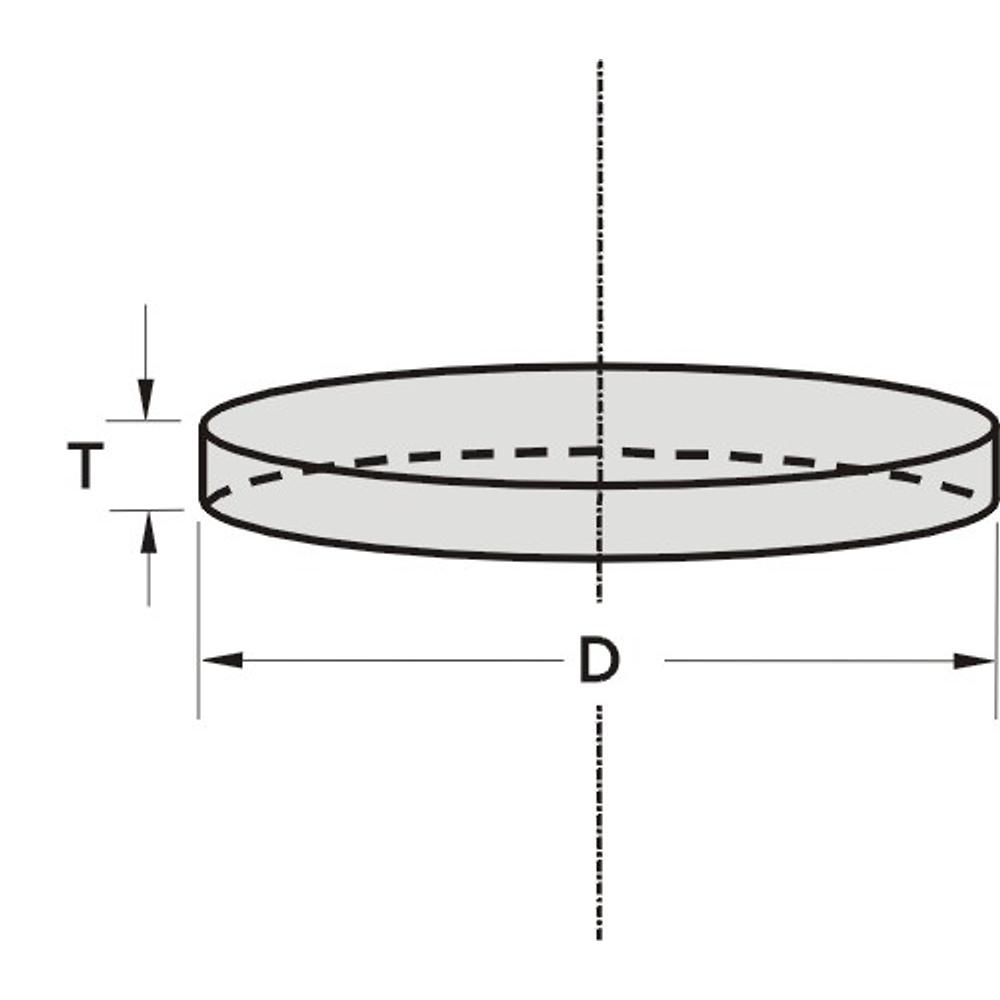
| SKU | Diameter D · Thickness T | |
|---|---|---|
| 230-1208E | ø 25.4 mm·8.0 mm |
Out of stock
Ships in: 62–65 calendar days
$143
|
| 230-1208M | ø 25.0 mm·8.0 mm |
Out of stock
—
|
| 230-1410E | ø 38.1 mm·10.0 mm |
Out of stock
—
|
| 230-1410M | ø 40.0 mm·10.0 mm |
Out of stock
—
|
We can make this for you
No catalog variant matches your exact spec. Add it to your cart as a quote request — sales will confirm price and lead time within 1 business day.
Specifications
| Material | UV FS |
| Diameter tolerance | +0.00, -0.12 mm |
| 1st surface flatness: | λ / 20 @ 633 nm |
| 2nd surface flatness: | 2 λ @ 633 nm |
| Thickness tolerance | ±0.2 mm |
Description
- Flatness of the reference surface: λ/20
- Excellent for testing and evaluating other optical components
Optical flats are used for testing and evaluating other optical elements. An interference pattern is formed in the air between the flat and the object being evaluated, and this pattern is usually more seen through the flat than through the object. The pattern consists of alternating bright and dark bands or fringes which are a contour map of the thickness of the air film. If the surface of the optical is significantly flatter than the surface being evaluated, it is correct to interpret the interference pattern directly as a contour map of the surface being evaluated.
If the flat is used on the top of the object, and interference pattern viewed through the flat, it is advantageous to have an anti-reflection coating on the top surface of the flat (the surface which does not touch the object being evaluated).
Optical flats can be supplied coated. If you would like to order an optical flat with a coating, please note the code of the flat and the code of the coating in your request. For an appropriate AR coating please refer to the COATINGS section.